








How to Choose the Best Solar Inverter: A Complete Buyer’s Guide

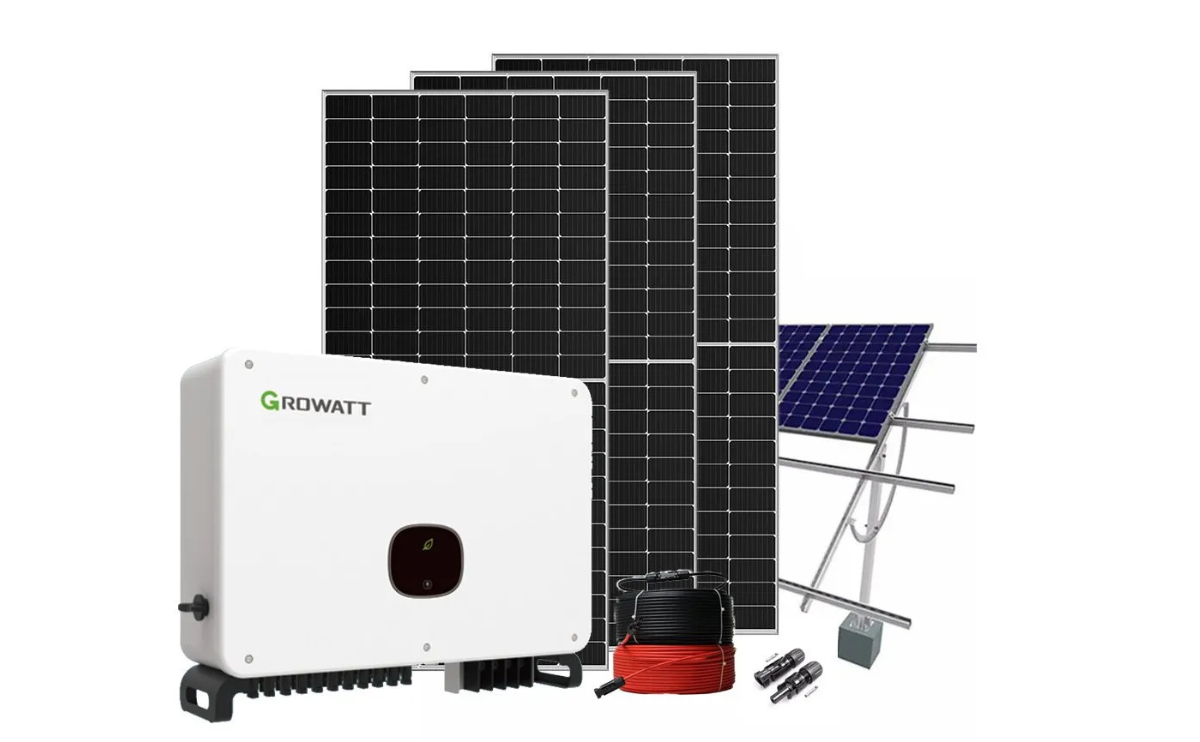
When people think about solar power, they usually focus entirely on the solar panels on the roof. However, the solar panels only capture raw energy; it is the solar inverter that does the heavy lifting. As the "brain" of your entire system, the inverter converts raw solar energy into safe electricity for your home appliances.
Choosing the wrong inverter can bottleneck your system's performance, limit your future expansion, and lead to early hardware failures. In this guide, we will break down the different types of inverters, critical technical specs, and how to pick the perfect model for your property.
Step 1: Understand the 3 Main Types of Solar Inverters
Not all inverters work the same way. Depending on your budget, roof shape, and energy goals, you will choose one of these three primary technologies:
1. String Inverters (The Budget-Friendly Classic)
In a string setup, multiple solar panels are linked together in a series (like a string of Christmas lights) and fed into a single central inverter installed on your garage or exterior wall.
Pros: Lowest cost, easy to access for maintenance, highly reliable technology.
Cons: If even one panel is shaded by a tree or dirt, the performance of the entire string drops. It is also harder to monitor individual panel performance.
2. Microinverters (The Premium Performance Leader)
Instead of one central inverter, microinverters are tiny devices installed directly underneath every single individual solar panel on your roof.
Pros: Shading on one panel will not affect the rest of your system. You can monitor the exact output of each individual panel, and it is incredibly easy to expand your system later by just adding more panels.
Cons: Higher initial upfront cost, and if a unit fails, a technician must climb onto your roof to replace it.
3. Hybrid Inverters (The Battery-Ready Choice)
A hybrid inverter combines a standard string inverter with a battery inverter into a single intelligent unit. It can manage power coming from your solar panels, your home battery storage, and the utility grid all at the same time.
Pros: Absolutely essential if you plan to install a solar battery (now or in the future) to protect your home against blackouts.
Cons: Slightly more expensive than standard string inverters, and requires more complex setup programming.
Step 2: Key Technical Specs You Must Check
Before purchasing an inverter, make sure you look closely at these three technical metrics on the product datasheet:
Inverter Capacity (Size): Your inverter’s continuous output capacity (measured in kW) should match your solar panel array size. Generally, your solar array can be up to 133% larger than your inverter size (known as the DC-to-AC ratio) to maximize performance during low-light mornings and evenings.
Efficiency Rating: Look for the CEC Efficiency or Euro Efficiency rating. Premium modern inverters boast efficiency scores between 97% to 99%, meaning almost zero solar energy is wasted as heat during the conversion process.
IP Rating (Weatherproofing): If your inverter is going to be mounted outside, make sure it has an IP65 or higher rating to ensure it is entirely dust-tight and protected against heavy rainstorms.
Step 3: Match the Inverter to Your Specific Roof Situation
To quickly figure out which option fits your home, locate your roof layout scenario below:
Scenario A: Flat, open roof with zero trees or shading.
Best Choice: A standard String Inverter. There is no need to pay the premium for microinverters if your panels receive uniform sunlight all day long.
Scenario B: Complex roof with multiple angles, gables, or moving tree shadows.
Best Choice: Microinverters. They optimize each panel independently, ensuring your system still generates high power even when parts of the roof are completely blocked from the sun.
Scenario C: You want backup power during night blackouts.
Best Choice: A Hybrid Inverter. This lets you plug a lithium storage battery directly into your system without needing to buy a separate, expensive battery conversion box later.
Ready to Pick the Perfect Brain for Your Solar System?
Investing in a high-efficiency, reliable inverter ensures that your system performs at its peak capacity for decades, giving you the fastest possible return on your investment.
Not sure what size inverter your monthly energy usage requires? Fill out our quick form on the right sidebar! Upload a photo of your recent electric bill, and our design team will map out the exact panel-and-inverter combination optimized for your home.


